
12 articles
Research
Deep dives into the ingredients we use, the research behind them, and what it all means for your skin.


Why Skincare Concentrations Matter (And Why Most Brands Hide Them)
You wouldn’t buy a vitamin supplement that said “Contains Vitamin D” without the dose. That’s exactly how most skincare is sold.

GHK-Cu Concentration in Skincare: Why It Matters
A product with 0.001% GHK-Cu and a product with 1% GHK-Cu both say “Copper Tripeptide-1” on the label. They are not the same product.

The Complete Guide to GHK-Cu in Skincare
Your skin already makes GHK-Cu. It just makes less of it every year.

The Copper Uglies: What’s Actually Happening to Your Skin
You started using a GHK-Cu product two weeks ago. Your skin looks worse. Before you throw the product away, understand what is happening at the cellular level.

Methylene Blue in Skincare: Mitochondrial Science Meets Topical Application
Methylene blue was first synthesized in 1876. Its newest application — topical skincare — is grounded in research that most brands in the category barely reference.

Tallow in Skincare: The Lipid Matrix Advantage
The word “sebum” comes from the Latin word for tallow. Your skin already knows what tallow is.
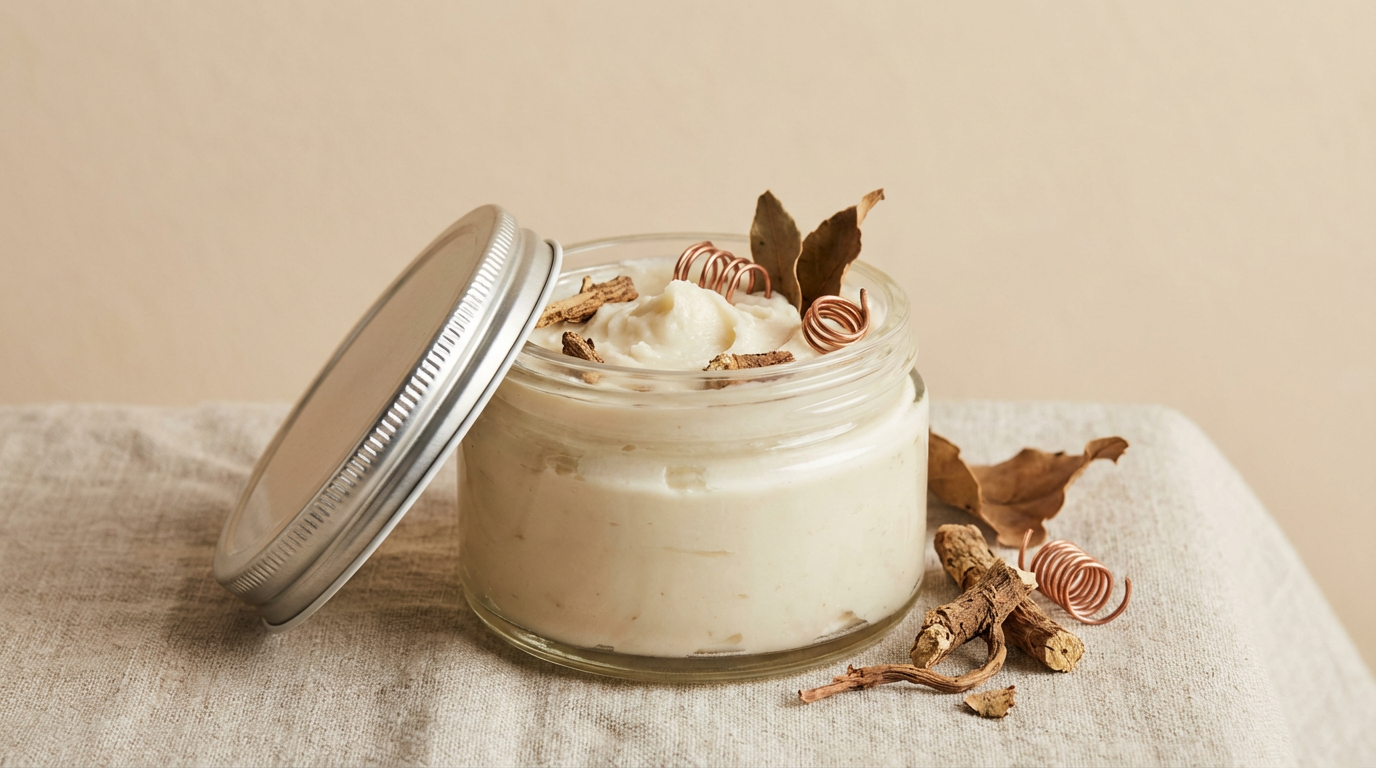
Your Skin Barrier: What It Is and Why Everything Else Depends on It
Every skincare product you apply interacts with the same structure first: your skin barrier. Understanding it changes how you evaluate everything else.

Peptides in Skincare: What the Evidence Actually Shows
Peptides are one of the most-marketed ingredient categories in skincare. They are also one of the most misunderstood.

How to Actually Read a Skincare Ingredient Label
The front of a skincare product tells you what the brand wants you to believe. The back tells you what is actually in the jar.

What "Clinically Proven" Actually Means in Skincare
"Clinically proven" should mean rigorous testing. In skincare, it often means something much less.

The Case Against a 10-Step Skincare Routine
A 10-step routine sounds thorough. The biology suggests it might be counterproductive.
Curious about the product?